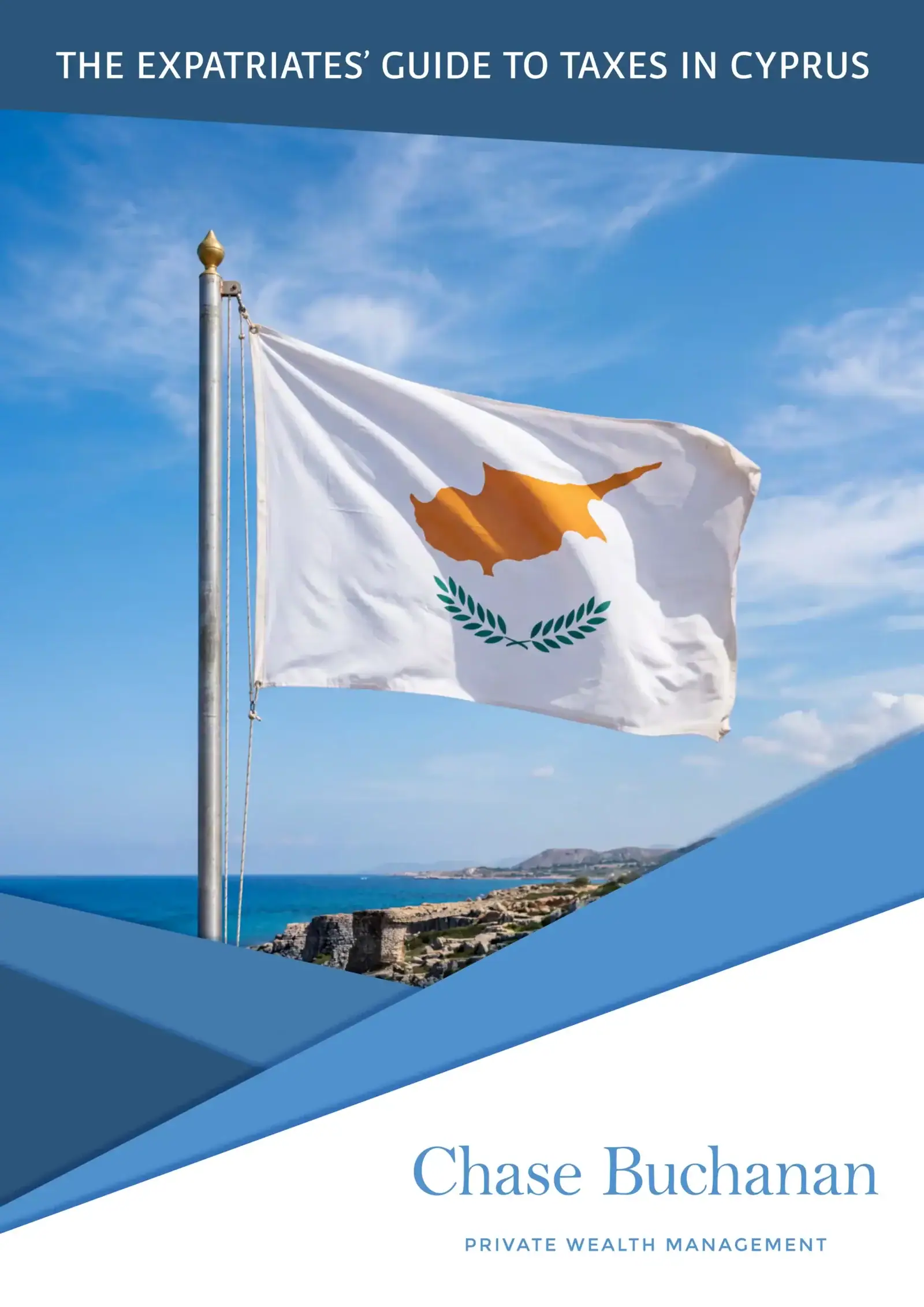
Our Cyprus tax guide has been created for foreign nationals who need clear explanations of the local tax system before or during their relocation. It outlines the essential points that shape compliance, planning and day to day financial decisions.
For tailored guidance, our advisers in Cyprus are available to discuss your circumstances and provide clarity where the rules become complex.
What Our Clients Say
Understanding Taxation in Cyprus for UK Expats
Why Expats Choose Cyprus
Cyprus is a popular destination for UK expats due to its favourable climate, established British expat communities, and attractive lifestyle options. The country also offers a business-friendly environment and is often chosen by professionals, retirees, and families seeking long-term relocation or tax-efficient living within Europe.
The Importance of Understanding Cypriot Tax
While Cyprus offers a number of advantages, understanding how taxation in Cyprus works for UK expats is essential. The Cypriot tax system differs from the UK in several key areas, particularly in relation to income tax, overseas income, and residency-based taxation.
Whether you are already living in Cyprus or planning a move, having clarity around your tax position is important to ensure compliance and to structure your finances efficiently.
For UK nationals, tax obligations are closely linked to residency status, making it important to understand how tax residency in Cyprus affects income, pensions, and assets held both locally and overseas.
Understanding Cyprus Tax Advantages for Expats
Cyprus offers a number of tax advantages that may benefit expats, including favourable rules around foreign-source income, pensions, and investment income for qualifying residents. In addition, Cyprus has specific incentives aimed at attracting new residents and professionals.
UK expats are advised to review their eligibility for these benefits carefully, as they can have a significant impact on overall tax exposure when relocating.
Our Cyprus advisers can help assess tax residency status, explain how Cypriot tax rules apply to your circumstances, and support UK expats in planning their move with tax efficiency as a priority from the outset.
About This Free Cyprus Tax Guide
We have created a FREE guide which explains the key tax considerations for UK expats and highlights the most significant variances between the Cyprus and UK tax regimes.
Key Topics Covered in the Guide
Taxes are essential to every expat, whether living, studying, retiring, working, or raising a family abroad.
Our free Guide works through every aspect of expat tax scenarios, including:
- Income taxes, rates and exemptions.
- Succession tax planning and international Wills.
- The difference between income tax and defence contributions.
- Correctly declaring international income.
- Structuring offshore investments beneficially.
- How to protect your pension income from overseas.
Alongside the areas covered in this guide, expats often need clarity on related matters, including the tax implications of moving to Cyprus from the UK, which can significantly influence financial decisions before and after relocation.
Why Chase Buchanan Is a Trusted Source for Expats
We are wealth management experts, supporting British expats and retirees internationally. This experience positions us in an ideal place to share our knowledge and help you make informed decisions about your move.
We have created our FREE downloadable guide to give expats a clear overview of how the Cyprus tax system works and how it may affect their personal financial situation.
Complimentary Guide
Download your Cyprus Tax Guide
Enter your details
and we will email you the guide right away.
Supporting Expats Throughout Cyprus with Clear Guidance
Some aspects of Cyprus’s tax system will be familiar to UK nationals, such as progressive income tax rates and the requirement to file tax returns where applicable.
Others, however, differ significantly from the UK system. Our Cyprus tax guide highlights the key differences within the Cypriot tax framework and outlines common areas where expats may need additional clarity. This understanding is essential for effective planning and for gaining confidence in your tax position.
Chase Buchanan is a leading wealth management specialist supporting international clients through our offices in Cyprus, Portugal, Spain, Belgium, Canada, the USA, the Isle of Man, and our UK Administration Centre.
With years of experience advising expats across Europe and beyond, our international presence enables us to provide accurate, up-to-date, and relevant guidance tailored to cross-border financial needs.
Our guide resources are designed to reflect the most current information available at the time of publication. Should you require personalised advice or further clarification on any of the topics covered, our Cyprus advisers are available to support you.
From investment planning and pension transfers to retirement strategies and budgeting, Chase Buchanan consultants work with you to help ensure your lifestyle in Cyprus is financially secure, now and into the future.
View Other Guides
Insights to Help You Understand Taxation in Cyprus
Watch our latest insights on Cyprus tax reforms, property market trends, and relocation tips, designed to help expats in Cyprus make informed financial decisions.
Explore Our Other Guides for Expats in Cyprus
01.
Expat Guides
Retirement Planning
in Cyprus
Retirement Guide
Our retirement planning services help expats in Cyprus prepare for long-term financial security.
This guide outlines the considerations relevant when preparing for retirement overseas, including how tax rules apply to pensions, savings and long term planning decisions for foreign nationals.
- Review and optimise UK pensions (SIPPs, ROPS, and more)
- Use cash-flow planning to forecast income and spending
- Build a tax-efficient income strategy for your retirement
- Align your plans with local regulations and residency rules
- Get expert advice on legacy and estate planning
02.
Expat Guides
Investment Considerations
in Cyprus
Investment Guide
Our offshore investment services for expats in Cyprus, help you grow and protect your wealth using tax-efficient, globally managed investment strategies.
This guide helps foreign nationals understand the core elements that shape investment planning, asset management and long term financial choices in a cross border environment.
- Learn how different types of investment income are treated
- Understand reporting obligations for overseas assets
- See how risk, structure and tax considerations interact
- Explore how investment decisions may differ for expats
- Access practical guidance relevant to living or moving to Cyprus
03.
Expat Guides
Financial Planning
in Cyprus
Education Guide
We offer tailored financial services for expats in Cyprus, designed to bring clarity, control, and confidence to your short, medium, and long-term financial plans.
This guide explains the key elements that influence financial planning for foreign nationals, offering context for managing income, assets and future goals when living abroad.
- Understand how tax and residency influence financial decisions
- Explore planning considerations for families and long term goals
- Learn how cross border assets may be viewed under Cypriot rules
- Review important factors for education, life events and inheritance
- Access structured guidance designed for expats in Cyprus
Book a Call with our Team in Cyprus
Cyprus Expat News and Insights

Navigating the Cypriot Tax Regime as a Foreign National Resident
Cyprus’s tax regime adds to the appeal of the Mediterranean island, which attracts expats from…

Cyprus Expat Tax Treaty FAQs
Double tax treaties are hugely important when it comes to expat tax planning, because they…

How Recent UK Tax Reforms May Impact Expatriates Living in Cyprus
Most expats living in Cyprus or planning a relocation focus on Cypriot taxation, the healthcare…

The Sustained Appeal of Cyprus: Exemptions and Allowances Against Taxes for Expats in Cyprus
Aside from the obvious advantages of a beautiful Mediterranean climate, lower living costs, and accessible…




Expert Guides for Expats in Cyprus
Explore our free Cyprus-specific guides, created to support UK and international expats at every stage of their lives and relocations.
Expat Tax Guide - Cyprus
Request your Free Guide!
Cyprus is a multi-faceted country, offering one of the finest climates in the Mediterranean as well as multiple employment opportunities, a safe and relaxed culture popular with families, and a peaceful way of life for retirees.

Residency Guide - Cyprus
Request your Free Guide!
Hundreds of thousands of British nationals enjoy life overseas, and it is essential to understand how your residency status will affect your tax liabilities over the long term.
FAQs About Expat Tax in Cyprus
1. How does Cyprus determine tax residency?
An individual is generally considered a tax resident in Cyprus if they spend more than 183 days in the country during a calendar year. Cyprus also operates a 60-day rule for individuals who meet specific conditions. Tax residents are typically taxed on worldwide income, while non-residents are taxed only on Cyprus-sourced income.
2. Do expats living in Cyprus need to file a tax return?
Yes. Cyprus tax residents are usually required to submit an annual income tax return. Non-residents may also need to file if they receive income from Cypriot sources, such as employment or rental income.
3. How are UK pensions taxed in Cyprus?
For Cyprus tax residents, UK pensions are generally taxable in Cyprus under the UK–Cyprus Double Taxation Agreement. Certain lump-sum pension payments may be exempt, and retirees may be able to elect favourable tax treatment depending on their circumstances.
4. Are foreign dividends and interest taxed in Cyprus?
Cyprus does not levy income tax on most foreign dividends and interest. However, defence contribution rules may apply depending on residency and domicile status, making it important to understand how investment income is treated.
5. What is the Special Defence Contribution (SDC)?
The Special Defence Contribution is a tax applied in Cyprus on certain types of passive income, such as dividends and interest, for individuals who are both tax resident and domiciled in Cyprus. Non-dom individuals may be exempt from SDC.
6. How is rental income from overseas property taxed?
Cyprus tax residents must declare worldwide rental income. Certain expenses may be deductible, and double taxation relief may apply where tax has already been paid abroad.
7. Does Cyprus have a wealth tax?
No. Cyprus does not impose a general wealth tax. However, other taxes, such as property-related charges, may apply depending on asset type and location.
8. How are capital gains taxed in Cyprus?
Capital gains tax in Cyprus generally applies to gains from the disposal of immovable property located in Cyprus or shares in companies owning such property. Gains on other assets are usually exempt, subject to specific rules.
9. What taxes apply when buying property in Cyprus?
Property purchases in Cyprus may be subject to transfer fees, stamp duty, and VAT in some cases. Ongoing costs, such as municipal taxes, may also apply depending on the property and location.
10. Are there tax advantages for new expats moving to Cyprus?
Yes. Cyprus offers a number of tax advantages for new residents, including exemptions on certain types of foreign income and favourable pension taxation options, subject to eligibility.
11. Do I need a tax identification number in Cyprus?
Yes. A Tax Identification Code (TIC) is required to file tax returns and carry out most formal financial activities in Cyprus.
12. Are there tax considerations for retirees moving to Cyprus?
Yes. Pension income, investment income, and overseas assets may be taxed differently once you become a tax resident in Cyprus. Retirees may be able to benefit from favourable tax treatment depending on their circumstances.
13. How are savings and investments taxed in Cyprus?
Savings and investment income may be subject to income tax or defence contributions depending on the type of income and whether the individual is domiciled in Cyprus. Many forms of investment income are taxed favourably.
14. What happens if overseas income or assets are not declared?
Failure to declare required income or assets can lead to penalties and interest charges. Cyprus participates in international information-sharing agreements, meaning overseas financial information may be reported to the authorities.
15. Does Cyprus tax inheritances or gifts?
No. Cyprus does not impose inheritance or gift tax. However, estate planning is still important, particularly for expats with assets held in multiple jurisdictions.